 Testing
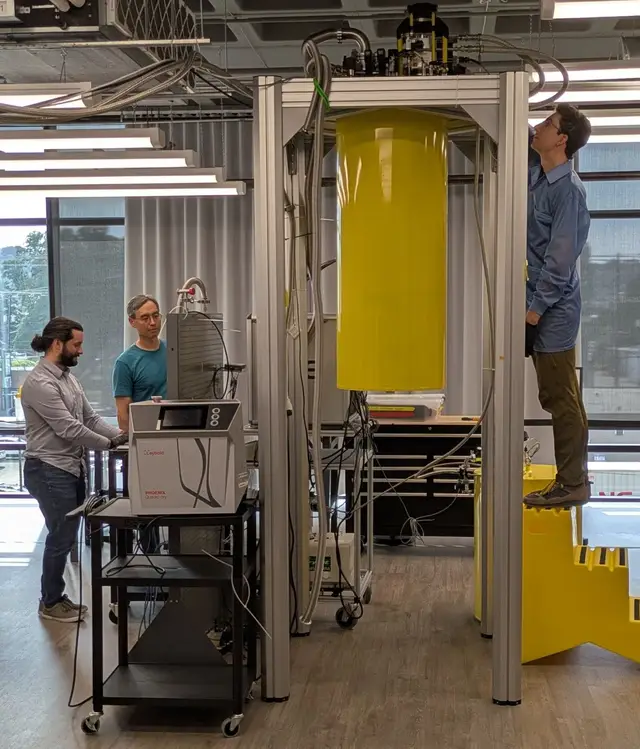
Cold Capture
Cooling system that separates helium-3 from ordinary helium
701 products from 428 companies, from factories on Earth to mining asteroids. Updated Oct 22, 2026.
Scroll up to launch
0 km · Earth’s surface
Every satellite starts on the ground. Control software, antennas and factories decide how many fly and how fast their data comes back.
TestingCooling system that separates helium-3 from ordinary helium
 In service
Worldwide radars that track objects in low orbit
 Testing
KSAT (Kongsberg Satellite Services)
Reach your satellites through relay spacecraft without waiting
 Testing
Large satellite body with about ten times the usual power
From the pad to orbit
Launch sets the price of everything above it. Boosters that land and fly again have cut the cost of reaching orbit. The race now is reusable upper stages and more flights.
80–160 km
The Kármán line, 100 km up, is where space officially begins. Suborbital rockets, spaceplanes and balloons work here, and reentry capsules come back through it.
 Paused
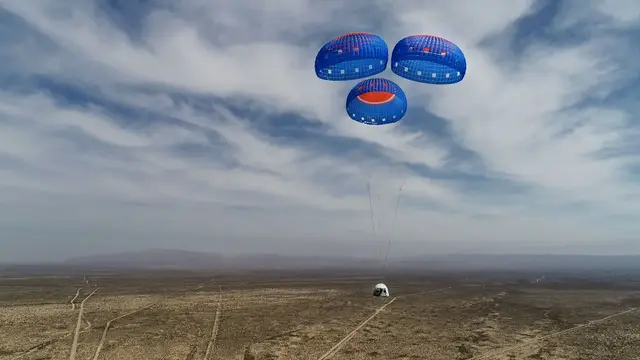
Reusable rocket for short trips to the edge of space
 In development
Reusable rocket plane flying tourists to the edge of space
 In service
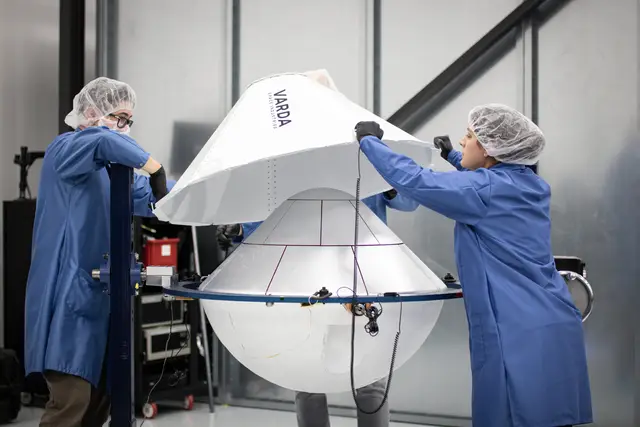
Spacecraft that works in orbit then parachutes back to Earth
 In service
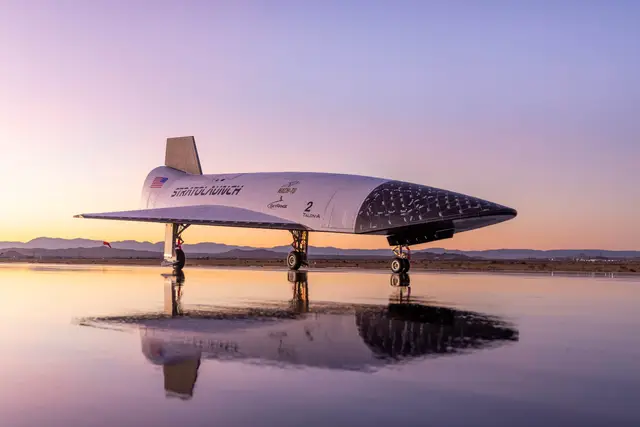
Reusable rocket plane for flights faster than Mach 5
160–2,000 km
Most satellites fly here, around 400 km up, where the space station is. Internet constellations, orbital factories and servicing craft share the crowded shells.
 In service
Satellite internet for places with little or no connectivity
In service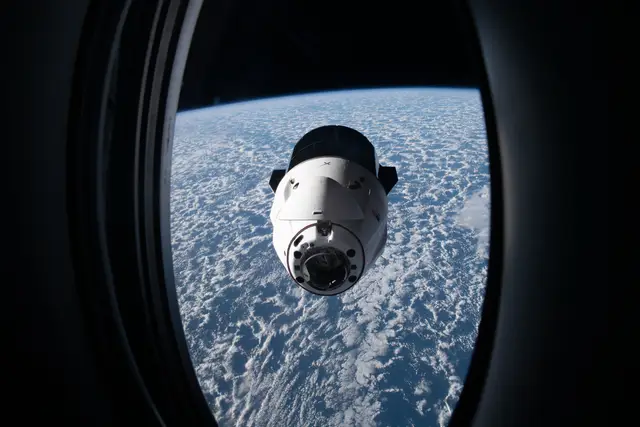
Capsule that carries astronauts and cargo to the space station
 In development
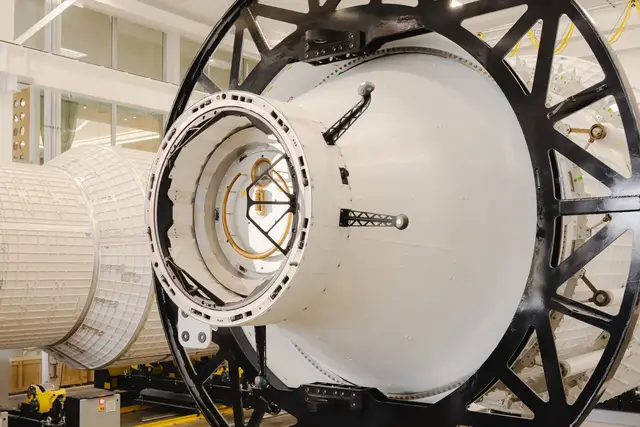
One-module private space station for visiting crews of four
 Testing
Huge-antenna satellite that connects directly to ordinary phones
2,000–35,786 km
Far above, one satellite can see half the Earth. Some hover over a single spot, 35,786 km up. Tugs now move satellites between orbits.
 In service
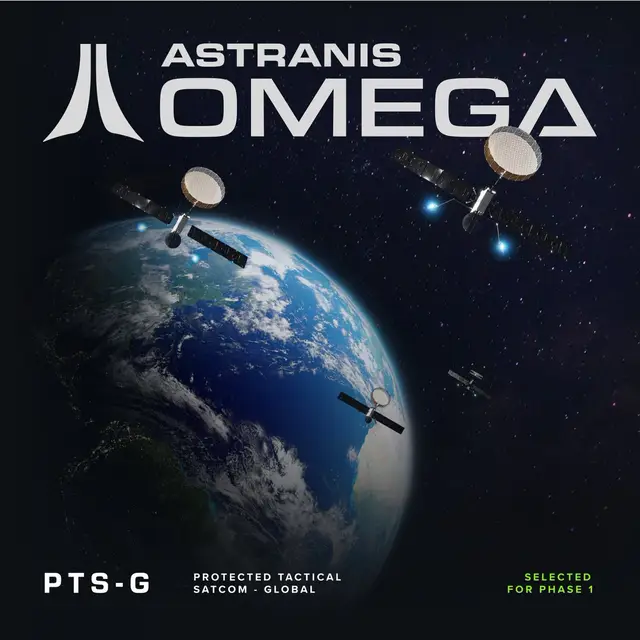
Small high-orbit satellite giving one customer its own broadband
 In service
Satellite texting and data for regular phones without cell coverage
 In development
Spacecraft that docks with satellites to extend their lives
 In development
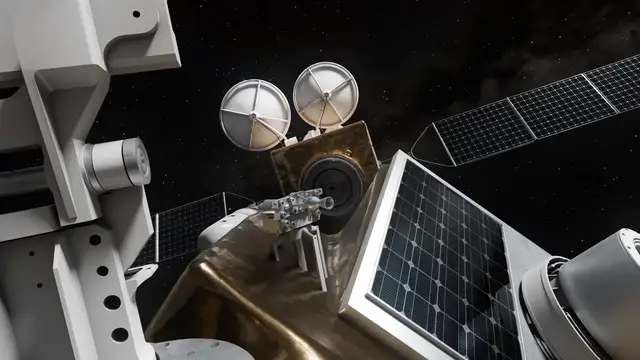
Spacecraft that docks with old satellites to keep them working
35,786–384,400 km
The long stretch between Earth and the Moon. Companies here sell spacecraft that can change orbit, and radio relays for missions that go beyond low orbit.
 In development
Planned Moon-orbiting satellites relaying data to Earth
In development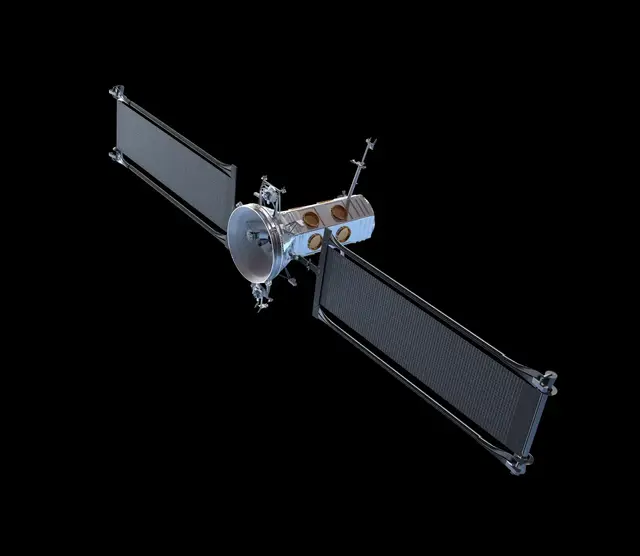
Spacecraft that carries and deploys other companies' payloads
 In development
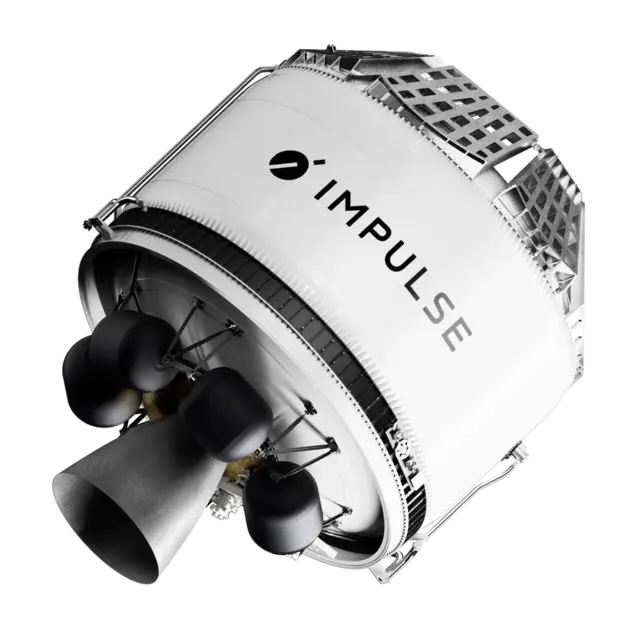
Upper stage that pushes heavy satellites to high orbits fast
 In development
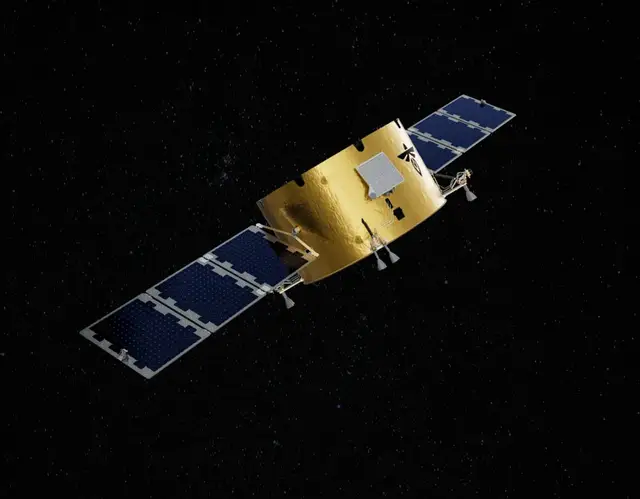
Space tug that moves payloads to their final orbit
384,400 km from Earth
The Moon is a three-day trip. Landers are the first commercial product, and the prize is helium-3 for quantum computers and water ice for rocket fuel.
In development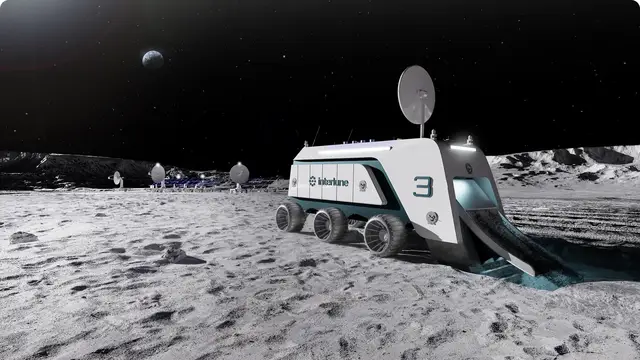
Machine to harvest helium-3 from Moon dirt
In service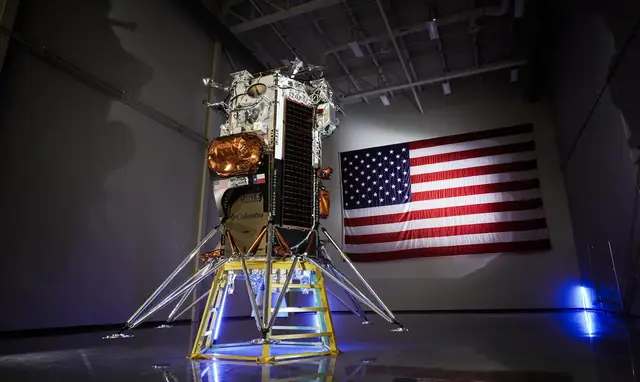
Robotic lander that delivers payloads to the Moon
In service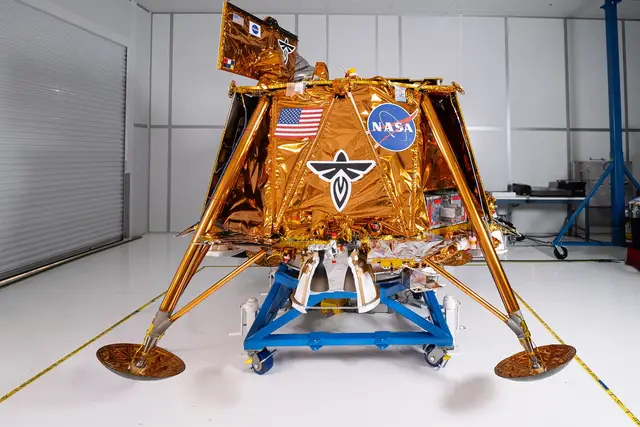
Robotic lander that delivers payloads to the Moon
 Testing
Large lander that carries cargo and rovers to the Moon
55–400 million km
Mars is months away. Missions so far are science and communications relays, and most plans for cargo and people depend on Starship.
 In development
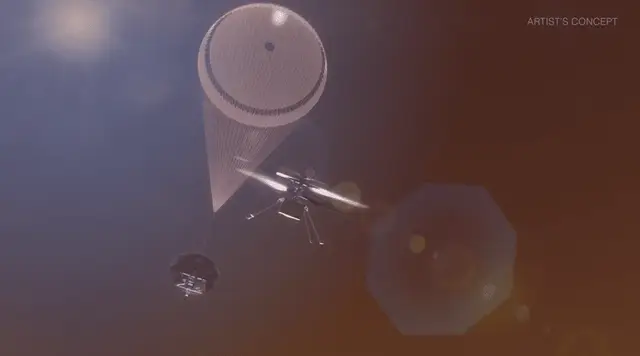
Three Mars helicopters that drop in and scout for ice
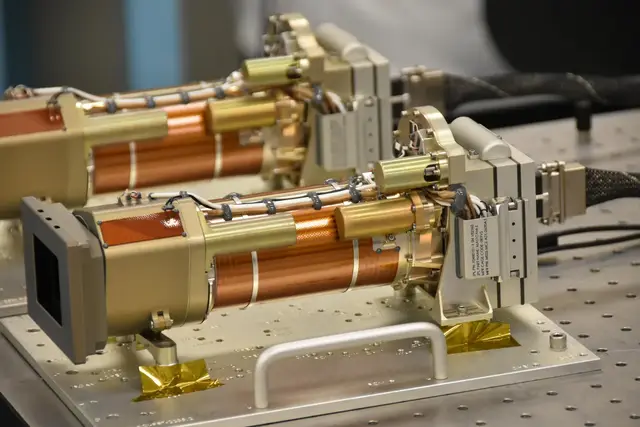
Zoomable 3D color cameras on NASA's Perseverance Mars rover
Mars orbiter camera that maps wide strips of the surface
Beyond Mars
Probes bound for asteroids and the outer planets, and the engines meant to get them there faster. A few startups plan to mine asteroids for metals and water.
 Testing
Spacecraft to photograph a metal-rich asteroid up close
 In development
Spacecraft to visit asteroid Apophis and test mining there
 In development
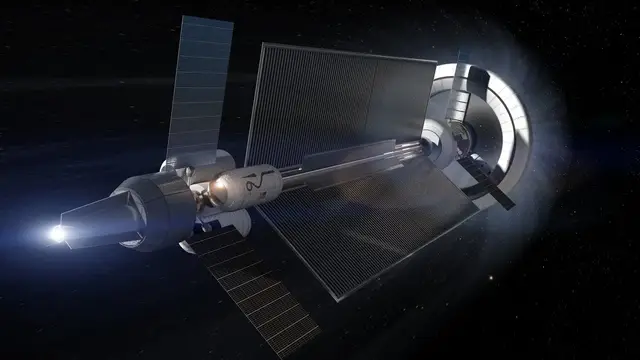
Fusion engine to speed spacecraft to the outer planets
 Testing
Plasma rocket engine heated by radio waves

